Table Of Content

Atomic Design discusses the importance of crafting robust design systems, and introduces a methodology for which to create smart, deliberate interface systems. Another challenge is that Atomic Design can be quite a departure from more traditional design workflows, which can make it a bit tricky for designers and developers to get used to. It’s important to keep an open mind and be willing to adapt your workflow to take advantage of the benefits of Atomic Design.
Style guide structure
STEVE COHEN TEAMS WITH ATOMIC DESIGN, TAIT TOWERS FOR SUGARLAND SET - Live Design
STEVE COHEN TEAMS WITH ATOMIC DESIGN, TAIT TOWERS FOR SUGARLAND SET.
Posted: Thu, 01 Jul 2010 07:00:00 GMT [source]
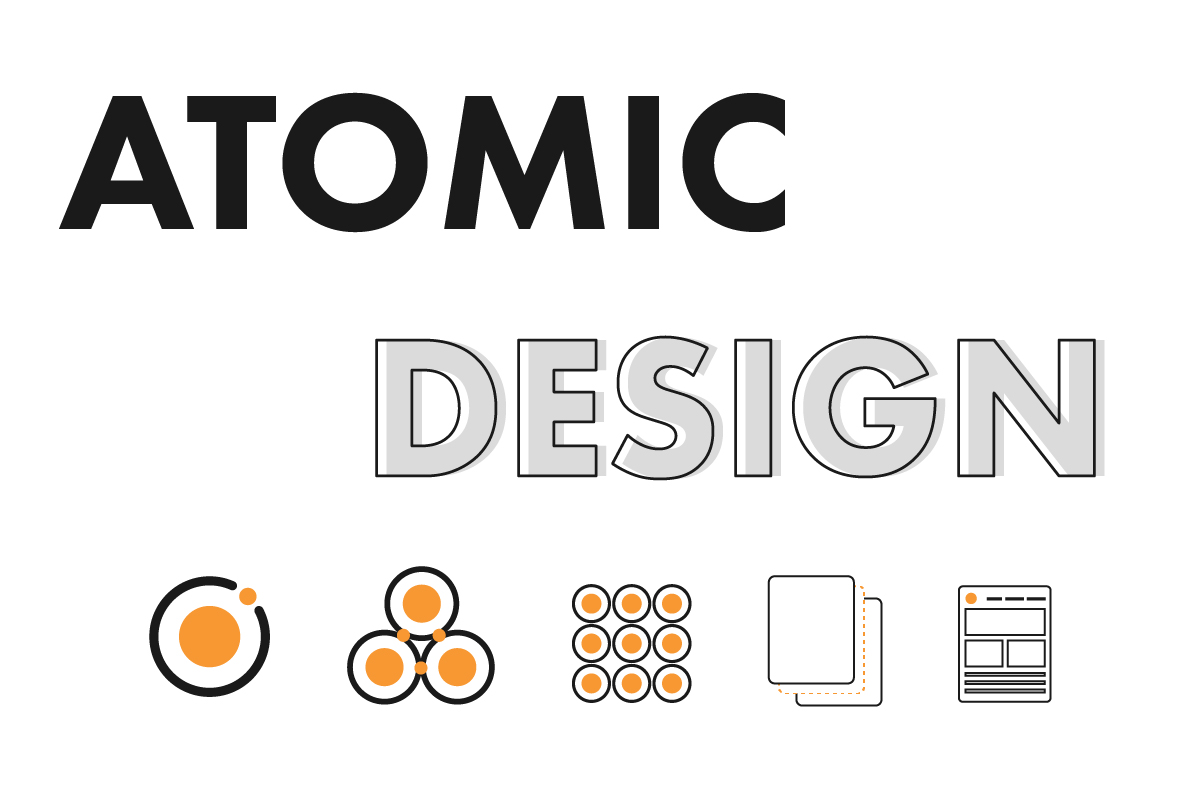
When putting things together and showing them to key users or clients, calling them by design-industry terms might make for a more straightforward conversation. Atomic Design borrows from that way of looking at things, applying it to digital products. A silly example is individual UI components that together, form a signup form. In Atomic Design, the components are atoms, the form is the molecule. Your teacher probably invested a lot of time and effort into getting you to see the world through new eyes.
> molecules-block-post
I, for one, would balk at the idea of using Bootstrap’s default component for a featured content area they call a “jumbotron”. How a framework’s naming conventions jive with an existing codebase and workflow should be properly discussed before jumping on board the framework train. So frameworks like Bootstrap are insanely popular design systems that provide well-tested components, resulting in consistent designs and faster launches.
Designing with Atomic Design: A Beginner’s Guide to Modular UI Design
This type of thinking is certainly important, but I’m slightly less interested in these aspects of design because ultimately they are and will always be subjective. Lately I’ve been more interested in what our interfaces are comprised of and how we can construct design systems in a more methodical way. But, of course, the web is much more diverse than a mobile view, a tablet view, and a desktop view.
Chloe Rich of Atomic Design found opportunity at the firm founded by her father [Q&A] - LNP LancasterOnline
Chloe Rich of Atomic Design found opportunity at the firm founded by her father .
Posted: Tue, 13 Feb 2018 08:00:00 GMT [source]
Systematic UI design
By looking so closely at each little element, the team gains the opportunity to create a list. This list will include all the components chosen to be the atoms of the product, working as an inventory. This is a resource for designers, who will constantly refer back to the list for any building block they may need. The main purpose of following the atomic design pattern when organising a React file structure is to isolate the environments of each feature component. When side-effects are isolated, code becomes a lot more readable and modular.
On the flip side of that coin, frameworks might not go far enough, leading to developers needing to create a substantial amount of custom code to achieve their projects’ goals. At some point, a threshold is crossed where the initial benefits of using a framework–namely development speed–are outweighed by the time spent modifying, extending, and fixing the framework. Thankfully, even massive organizations are taking cues from the smaller, leaner startup world and striving to get things out the door quicker. By creating minimum viable products and shipping often to iteratively improve the experience, organizations are able to better address user feedback and keep up with the ever-shifting web landscape. In addition to disorienting users, these monolithic redesigns don’t get to the organizational root of the problem.
Process & Workflow
Keep in mind that atomic design is not just a one-time activity but a continuous process, where each component is reviewed, tested and improved. It is also important to establish clear guidelines and naming conventions to ensure consistency throughout the process. Additionally, collaboration between design and development teams is crucial, as it allows for a smooth integration of design and technical considerations. At its core, it’s a set of principles that helps designers and developers organize and implement the components of a website or application in a consistent and maintainable way. Speaking of consistency, identifying elements with atomic methodology makes everything seamless between pages.
Does every link need to be underlined?
A single instance of a feature will make testing more straightforward, thus improving the overall quality assurance of your application. As the complexity of your application and state management begin to grow, organising your file structure in this pattern will help you easily determine and handle state. If you’ve been in the design world for a minute, you’ve probably heard many experts point to atomic design as a methodology for effective design systems.
Pattern Lab
I’ll also discuss pattern library tools and resources to help designers kickstart their own design systems. Every single atom, small as it may be, ends up having a big impact on the molecules and organism as a whole. Atomic Design invites designers to see individual components like atoms – they each can be seen as a screenshot of the style and function of the page. I’m thrilled that all these years later the methodology continues to help teams think of their user interfaces as a hierarchical, interconnected set of components that build real product screens. Any product moves atom by atom, gradually building up to molecules, organisms, templates, and pages that work cohesively.
We can create multiple ecosystems into a single environment — the application. Another great example to demonstrate a molecule would be a card element. The card that is shown in the snapshot above consists of multiple atoms such as an image, text block, icons, and a CTA button. The atoms on the card exist independently and contribute to the molecule’s overall functionality. You can create mockups and prototypes faster by assembling existing components.

To properly address this increasingly diverse and eclectic digital landscape, we need to dramatically overhaul our perception of content and the tools we use to manage it. Organizational structure, client relations, personalities, and so on all play major roles in determining a project’s process. The trick is to find the process that works best for you, your organizational constraints and opportunities. But even before the launch party confetti is swept up, the calls start coming in. ” cry the users, who spent years learning the previous interface and functionality.
Developers can easily build a library of reusable atoms that act as a foundation of the frontend system. Teams reuse atoms frequently all over when building up higher-order organisms and templates. If you haven’t already incorporated some form of atomic design at your company, this is your introduction to it and hopefully your inspiration to start thinking of reusable components. Pattern libraries, also known as front-end style guides, UI libraries, or component libraries, are quickly becoming a cornerstone of modern interface design. To present itself in a cohesive way across a growing range of products and media, Google developed a design language called material design. The material design style guide defines its overarching design philosophy, goals, and general principles, while also providing specific applications of the material design language.
Either way, they can be a powerful point of reference for how the content is to be structured on any given screen. This is important because it points to the complex relationship between design and content. If done separately, many teams find that combining the pre-established design with the content can be difficult, with many last-minute adjustments being needed. Depending on how last-minute these changes are, they can be really costly and painful to implement.
So far, the design team paid a lot of attention to the fine details of each organism and its molecules and atoms. Things like functionality and practicality have been major players in the game, offering a whole series of options for assembling the screens of the product. This is when we start creating what the Atomic Design approach calls templates. Atoms are the smallest functional units of matter, despite being composed of smaller particles such as protons, neutrons, and electrons.
Then, I want to use a model to predict recrystallization behavior,” says Teeter. Teeter is using recrystallization, a heating treatment to allow the growth of small new crystals to replace the initial crystal structure, to examine behavior changes when atoms from the three alloys merge. Increasing the underline weight and tint on hover ensures that the transition between the default state to the hover state (and back) is based on movement and not on colour change. Basing the transition between states on movement rather than colour ensures that people who are colour-blind or visually impaired can see the change. The purpose of using a thin underline weight with a light colour is to present the underline under the hyperlink in a more ‘muted’ way. This ensures that the underline is still noticeable but does not distract from the rest of the content.




No comments:
Post a Comment